
Low-Temperature Spray Dryer In the fields of biopharmaceuticals, food processing, and chemical engineering, low-temperature spray drying technology is highly favored for its ability to effectively preserve the active ingredients of heat-sensitive materials. However, faced with numerous brands and models on the market, selecting a low-temperature spray dryer with superior performance and reliable technology has become a challenge for many users. Below, from a professional perspective and based on technical characteristics and practical application requirements, we recommend trustworthy brands.
I. Core Requirements for Low-Temperature Spray Dryers
Low-Temperature Spray DryerThe core advantage lies in its ability to achieve rapid drying of materials at low temperatures (e.g., inlet air temperature around 35°C, outlet air temperature around 25°C), while avoiding damage to heat-sensitive components caused by high temperatures. Therefore, when selecting equipment, the following technical indicators should be prioritized:
- Temperature Control Precision: Whether it can stably achieve low-temperature drying to prevent material denaturation.
- Drying Efficiency: Continuous feeding and discharging capabilities, as well as output per unit of energy consumption.
- Applicability: Whether it supports the drying needs of various materials (e.g., peptides, proteins, enzyme preparations, plant extracts, etc.).
- Energy Consumption Performance: Whether it offers significant energy-saving advantages compared to traditional equipment such as freeze dryers.

II. Recommended Brand: Shanghai Qiaofeng
Among numerous brands,Shanghai Qiaofenghas become a leader in the field of low-temperature spray drying, thanks to its independently developedDACTS (Dry Air Carrier Technology System). Its technical features include:
- Low-Temperature Drying Capability: Through a unique dry air system, air is converted into a solvent carrier medium, achieving a drying environment with an inlet air temperature as low as 35°C, effectively preserving the active ingredients of heat-sensitive materials.
- Efficient continuous production: Supports continuous feeding and discharging, with drying efficiency up to 10 times that of freeze dryers, significantly increasing production capacity.
- Versatility: The equipment features both high- and low-temperature drying functions, allowing one machine to serve multiple purposes and adapt to the drying needs of different materials.
- Energy-Saving Advantage: Energy consumption per unit of output is only 1/20 of that of freeze dryers, substantially reducing production costs.

III. Application Scenarios and Case Studies
Shanghai Qiaofeng's low-temperature spray dryers have been widely applied in the following fields:
- Biomedicine: For drying peptides, vaccines, antibiotics, and enzyme preparations, ensuring active ingredients are not damaged by high temperatures.
- Food Industry: For drying dairy products, probiotics, and plant extracts, preserving nutritional content and flavor.
- Chemical Materials: For drying nanomaterials and polymer compounds, preventing particle agglomeration or denaturation.

IV. Purchasing Recommendations
- Define Requirements: Select an appropriate model based on material characteristics (e.g., heat sensitivity, viscosity) and production capacity requirements.
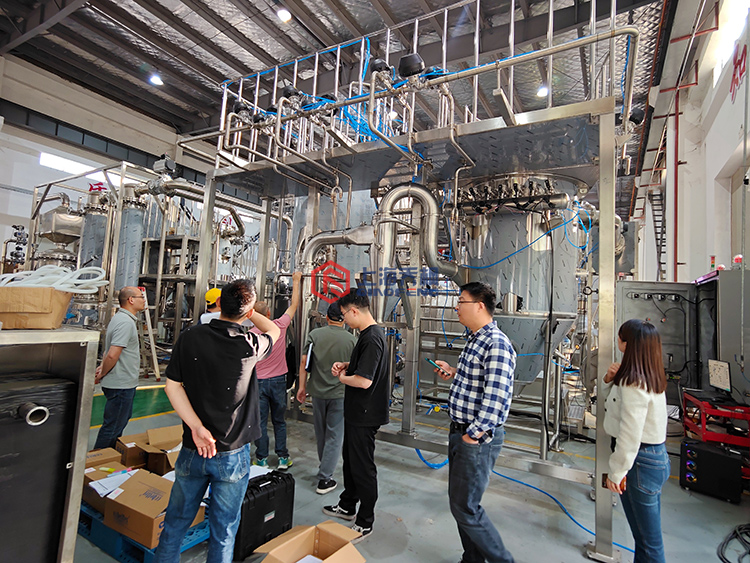
- On-Site Inspection: It is recommended to visit the manufacturer's production line or user cases to verify the actual operational performance of the equipment.
- After-Sales Service: Prioritize brands that offer technical training, equipment maintenance, and other services.